

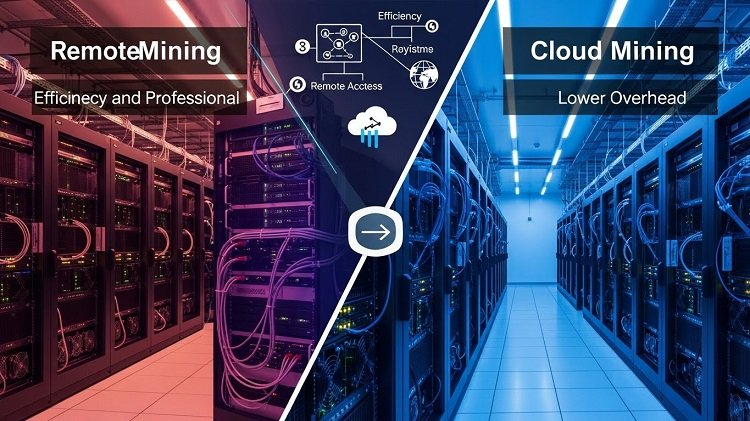
Crypto mining has transformed from a niche hobby requiring costly hardware and great technical skills into an accessible opportunity through cloud-based platforms. Today, crypto mining sites enable individuals to participate in Bitcoin, Ethereum, and altcoin mining without owning physical rigs or managing constant electricity and cooling expenses. These platforms offer users access to remote hashing power, daily or periodic payouts, and simplified dashboards that make mining viable for both beginners and seasoned crypto enthusiasts.
With the cloud mining landscape expanding in 2026, choosing the right platform can mean the difference between a profitable long-term strategy and wasted investment. While some services are transparent and use renewable energy, others overpromise and underdeliver or even operate scam-like models with unrealistic returns. Understanding how these crypto mining sites operate, evaluating trust factors, and identifying reliable platforms are essential steps before committing funds.
This article dives deep into the top crypto mining sites of 2026, explains how cloud mining works, compares leading platforms, covers risks and scam indicators, provides ROI strategies, and equips you with the knowledge needed to make informed mining decisions in the current crypto economy.
Understanding Crypto Mining Sites
What Are Crypto Mining Sites?
A crypto mining site refers to an online platform where users can mine cryptocurrencies like Bitcoin without owning and operating their own hardware. Instead of maintaining expensive ASIC or GPU rigs, users purchase or lease hash power from remote data centers run by the mining provider. These sites handle infrastructure management, electricity costs, and hardware maintenance while users earn crypto rewards based on their purchased hash rate.
Cloud Mining vs Traditional Mining
Traditional mining requires individual investment in physical mining rigs, electricity, cooling systems, and real-world space, all of which impact profitability and technical overhead. Cloud mining, in contrast, eliminates these barriers by outsourcing mining to large data farms. Users simply select a contract, invest in hash power, and receive payouts without physical involvement.
How Mining Rewards Work
Mining rewards come from contributing computational power to validate transactions and secure blockchains using Proof of Work (PoW). When miners successfully contribute shares toward solving cryptographic puzzles, they earn newly minted coins or transaction fees proportionate to their hash rate contribution. The more hash power a user controls, the higher their potential share of mined rewards.
How Crypto Mining Works
Mining Hash Power Explained
Hashes measure the amount of computational work provided to the network, usually expressed in GH/s (gigahash/s) or TH/s (terahash/s). Cloud mining sites sell or rent this hash power to users so they can participate in mining without directly owning hardware.
Mining Difficulty & Profitability
Mining difficulty, the measure of how hard it is to find a new block, adjusts periodically based on the entire network’s hash rate. As more miners join, difficulty rises, meaning more power (and cost) is needed to earn the same rewards. Profitability hinges on current market prices, difficulty trends, contract pricing, and electricity/maintenance fees embedded in the platform’s fee structure.
Mining Pools vs Solo Mining
Mining pools combine many users’ hash power, pooling the odds of earning rewards regularly. Solo mining, contributing alone, may yield bigger payouts but far less frequently. Most cloud mining models function like pools, distributing proportional rewards among users.
Hash Power Leasing & Contracts
Modern cloud mining sites sell hash power through fixed-term contracts where users pay upfront or per period. Contracts vary in duration, minimum investment, fees, and payout schedules. Some sites also allow flexible on-demand hash power rental.
Top Crypto Mining Sites in 2026
Here’s an updated look at the most talked-about and widely used crypto mining sites backed by multiple industry sources and market evaluations.
1. BitFuFu (NASDAQ-Listed Cloud Mining)
BitFuFu is one of the world’s largest cloud mining platforms, allowing users to buy hash rate from remote data centers without running hardware. With Bitmain partnerships and a global user base of over 600,000, it’s considered one of the more established options for serious cloud miners.
2. Bitdeer
Rated highly for performance and stability, Bitdeer connects users to industrial-grade mining farms with flexible contract options and real-time profit tracking. It supports mining for Bitcoin and various altcoins.
3. NiceHash
NiceHash operates a unique hash power marketplace where users can buy or sell mining power, providing a flexible, on-demand approach instead of traditional long-term-term contracts. It supports multiple algorithms and cryptocurrencies, making it versatile for miners who want control over their mining strategy.
4. ECOS
Regulated in Armenia’s Economic Zone, ECOS offers predictable long-term Bitcoin mining contracts with daily payouts and a mobile dashboard. It’s known for its accessibility to beginners and added mobile features.
5. Hashing24
Operating since 2012, Hashing24 provides straightforward cloud mining with lifetime or long-term contracts and real-time hash monitoring. It partners with industrial data centers and emphasizes security.
6. BeMine
BeMine allows fractional ownership of real ASIC hardware, offering users partial ownership instead of traditional hash power rental. This makes ROI calculations more transparent and predictable.
7. Binance Cloud Mining
Integrated within the Binance ecosystem, Binance’s cloud mining feature lets users mine select coins directly through their exchange accounts with daily payouts and easy withdrawal to wallets or trading balance.
8. Genesis Mining
One of the oldest cloud mining services globally, Genesis Mining provides long-standing Bitcoin and altcoin contracts rooted in renewable energy data centers.
9. StormGain Cloud Miner
StormGain blends cloud mining with a user-friendly trading platform and mobile app, ideal for beginners wanting both trading and mining in one interface.
10. 1BitUp
A growing platform in 2026, 1BitUp uses AI optimization and customizable contract lengths to improve mining efficiency and cater to both short-term and long-term users.
Choosing the Right Mining Platform
Compare Pricing & Contracts
Check minimum investment, hash power prices, contract duration, maintenance fees, and payout intervals. Long-term contracts often bring stability but may reduce flexibility if markets shift.
Security & Legal Compliance
Ensure the platform operates transparently, with legal registration if possible, secure login features (2FA), and cold wallet storage for mined assets.
Transparency & Proof of Mining
Platforms that provide verifiable mining statistics, real-time dashboards, and documented hash operation data are generally more trustworthy.
Payout Structures
Daily payouts increase compound earnings, while longer intervals may mean less frequent withdrawals. Review fee structures carefully; some platforms have hidden or high maintenance fees.
Risks, Scams, and Red Flags to Watch
Common Crypto Mining Scams
Platforms promising unrealistic daily returns, guaranteed profits, or fixed ROI in short periods are likely dubious. Many scam operations have disappeared with user funds.
Red Flags in Cloud Mining Sites
-
No clear information on mining operations
-
High upfront fees with no verifiable payouts
-
Excessive referral incentives
-
Lack of community reviews or external audits
These signs often point to risky platforms.
How to Verify Legit Platforms
Verify user reviews on sites like Trustpilot, check for blockchain-verified payouts, and ensure transparent contract terms before investing.
Maximizing Mining Success
Using Mining Calculators
Before investing, use cloud mining ROI calculators to estimate expected daily earnings based on hash rate, network difficulty, and fees. This prevents false expectations and indicates potential profitability.
ROI Strategies
Start small, analyze payout history, reinvest earnings to grow hash power, and track miner performance over time. Simple reinvestment strategies can compound earnings in long cycles.
Tax & Legal Considerations
Seek local tax guidance; mining income is often taxable depending on your country. Record keeping helps during tax calculations and for audits.
Alternatives to Cloud Mining
Solo Mining
Owning your own ASIC or GPU rig gives full control but demands higher upfront costs, technical setup, and electricity costs.
Mining Pools
Join decentralized mining pools that combine resources for more consistent payouts than solo mining alone.
ASIC & GPU Mining Rigs
Purchase dedicated rigs like Bitmain Antminers or GPU setups for altcoins, allowing self-custody of assets and direct network participation.
Quick Takeaways
-
Crypto mining sites provide hardware-free access to mining via remote hash power rentals.
-
Top platforms in 2026 include BitFuFu, Bitdeer, NiceHash, ECOS, and Hashing24.
-
Transparency, verifiable payouts, and legal compliance are essential for safe mining investments.
-
ROI calculators and strategic reinvestment help maximize earnings.
-
Avoid promises of guaranteed daily returns; they’re often scams.
Conclusion
Crypto mining sites have opened mining to a broader audience by eliminating the need for expensive hardware or technical expertise. In 2026, platforms such as BitFuFu, Bitdeer, NiceHash, and others provide a range of contract types, flexibility, and daily payout options. However, the space remains rife with scams and non-transparent services. Prioritize verifying mining operations, understanding fee structures, checking payout histories, and using ROI calculators before investing. Always remember: cloud mining should align with your long-term investment strategy, and realistic expectations will help you navigate volatile markets more confidently.
FAQs
1. Are crypto mining sites profitable in 2026?
Profitability depends on hash rate costs, mining difficulty, maintenance fees, and coin prices. Use ROI calculators to estimate earnings before investing.
2. Can I mine Bitcoin without buying hardware?
Yes, cloud mining lets you mine without owning hardware by renting remote hash power.
3. How do I know if a mining site is legit?
Check for transparent operations, verifiable payouts, user reviews, and legal compliance.
4. Which mining site pays daily?
Platforms like ECOS, Hashing24, and Binance Cloud Mining offer daily payout options.
5. Should beginners start cloud mining?
Beginners can start, but should research platforms, start small, and avoid unrealistic ROI promises.