

Important: Read This Before You Consider Depositing Anything
Stockity is an online platform primarily offering digital options trading (also called Fixed Time Trades), where users speculate on whether an asset’s price will rise or fall within a short, fixed window. Before covering how the platform works, the more important information is what multiple independent broker-review services have found when investigating it.
What Independent Reviews Actually Report
- No recognized regulatory oversight. Multiple independent broker-analysis sites report that Stockity is not licensed by any major financial regulator such as the FCA (UK), CySEC (EU), or ASIC (Australia). It’s reported to operate from an offshore jurisdiction, commonly cited as St. Vincent and the Grenadines, a jurisdiction known for minimal financial oversight.
- Widespread withdrawal complaints. Independent review platforms document a recurring pattern: users report seeing profits appear in their account dashboard, only to face delays, blocked withdrawals, or newly-introduced conditions when attempting to cash out.
- Questionable testimonials. At least one independent review identified video testimonials on Stockity’s marketing materials as apparently AI-generated rather than genuine user accounts, alongside social media presence with low authentic engagement.
- Minimal corporate transparency. Independent reviewers consistently note the platform provides little information about its ownership, corporate structure, or dispute-resolution process.
- No investor protection scheme. Reviewers found no clear negative-balance protection or investor compensation scheme, meaning funds may not be protected the way they would be with a regulated broker.
What This Means
No single source definitively proves Stockity is operating fraudulently, and it does appear to offer a functioning trading interface with a demo account option. But the combination above, no major regulatory license, an offshore registration with minimal oversight, and a consistent pattern of withdrawal complaints across independent review platforms, is a well-documented risk profile associated with unregulated offshore trading platforms generally. Multiple independent reviewers rate it as high-risk specifically because of this combination, not because of any single factor alone.
Digital Options Trading Itself Carries High Risk
Separate from any platform-specific concerns, it’s worth understanding that fixed time trades and digital options are inherently high-risk instruments. Regulators in several major markets, including the UK’s FCA, have restricted or banned the sale of these products to retail consumers specifically because of how often they result in losses. Even on a fully legitimate, regulated platform, this category of trading is not comparable in risk to standard stock or long-term crypto investing.
If You’ve Already Deposited Funds
- Stop depositing further funds immediately, regardless of any promised bonus or “unlock” condition presented to you.
- Document everything: transaction records, communications, screenshots of your account balance and any withdrawal attempts.
- Attempt a formal withdrawal request through the platform’s official channels and keep records of the response.
- Contact your bank or payment provider about a possible chargeback if a card or bank transfer was used.
- Report the platform to your national financial regulator or relevant fraud-reporting body.
How to Evaluate Any Trading Platform Before Depositing
- Verify the platform’s regulatory license directly on the regulator’s own official register, not just a badge displayed on the platform’s site.
- Search the platform name alongside “review,” “complaint,” and “withdrawal” across multiple independent sources.
- Be skeptical of high advertised returns (some digital options platforms advertise returns of 80% or more), since higher advertised returns generally reflect higher, not lower, risk.
- Treat any pressure to deposit more funds to “unlock” a withdrawal as a serious red flag, not a normal part of trading.
Frequently Asked Questions
Is Stockity regulated?
Independent reviews report no license from major regulators like the FCA, CySEC, or ASIC. It’s commonly described as operating from an offshore jurisdiction with limited financial oversight.
Is Stockity a scam?
No single source definitively confirms this, but multiple independent reviewers rate it as high-risk based on a documented pattern of withdrawal complaints, lack of regulation, and limited corporate transparency.
Can I trust the demo account experience as a sign of legitimacy?
Not on its own. A working demo account is common even among platforms later flagged for withdrawal issues, since a demo account never actually tests whether real funds can be withdrawn.
What should I do if I can’t withdraw my funds from Stockity?
Document everything, stop depositing further funds, attempt an official withdrawal request, and consider a chargeback through your bank or payment provider, then report the platform to your financial regulator.
The Bottom Line
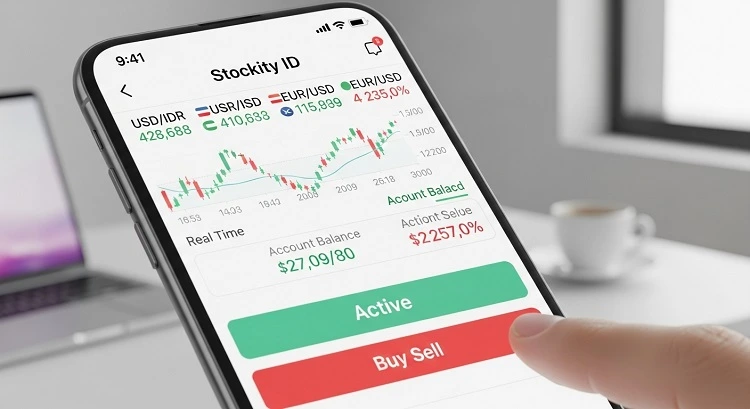
Stockity presents a professional-looking interface, but multiple independent broker-review sources report no major regulatory license, an offshore registration, and a consistent pattern of withdrawal complaints. Combined with the inherently high risk of digital options trading itself, this is a platform that warrants real caution, not a straightforward recommendation. Verify regulation directly, start with amounts you can afford to lose entirely if at all, and treat withdrawal difficulty reports from independent sources as a serious signal, not noise.